

You pack the carrier, print the paperwork, check the route, and your pet still starts pacing the night before the trip. Some pets pant in the car before you leave the driveway. Others cry, drool, hide, or refuse food as soon as their routine changes. Travel can turn a calm dog or cat into a tense, unsettled version of themselves, and that puts pressure on you too. If you need guidance before you go, a veterinarian in Waco and Woodway, TX can help you plan for a safer, less stressful trip.
How General Veterinarians Help Pets With Travel Related Stress comes down to preparation, health screening, behavior support, and a plan that fits your pet. A general veterinarian does more than sign travel forms. They look for pain, nausea, fear triggers, vaccine needs, and destination rules, then help you lower the chance of a bad trip.
Travel stress in pets often starts before the trip itself
Pets do not need to be on a plane to feel distressed. The carrier coming out of the closet, a change in feeding time, strange smells from luggage, or a long car ride to the airport can be enough. You may notice shaking, whining, vomiting, accidents in the carrier, excessive grooming, or unusual clinginess. Some pets go quiet instead, which can look manageable until you realize they are too stressed to drink or settle.
This is where pet travel anxiety support from a general veterinarian matters. Fear is not always just fear. A dog that panics in the car may also get motion sickness. A cat that cries through a flight may have underlying arthritis that makes the carrier painful. A pet that seems stubborn about entering the crate may be reacting to a previous bad experience. If the real problem is missed, the trip gets harder and your pet learns to expect distress every time.
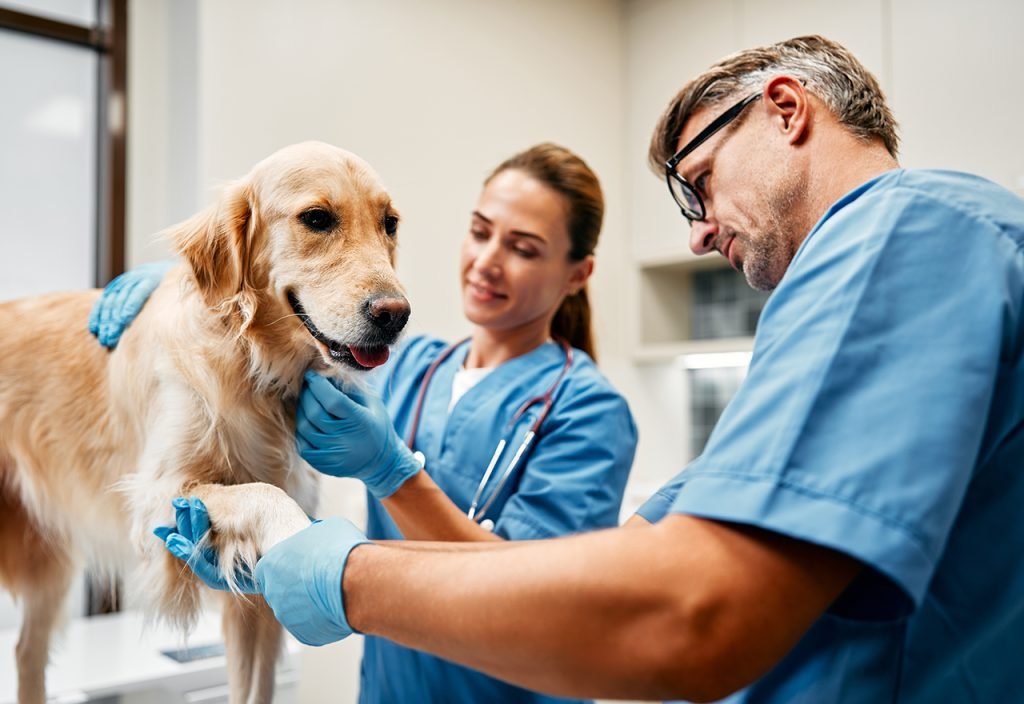
A general veterinarian starts with the basics that change everything. They review your pet’s medical history, current medications, vaccine status, past travel behavior, and the length and type of trip. They also look at age and breed factors. Flat faced pets, senior animals, very young pets, and animals with heart or breathing conditions may need a different plan or may not be safe candidates for certain kinds of travel at all.
General veterinarians reduce risk by treating health and behavior together
Owners often assume the answer is a sedative. Sometimes medication helps, but it is not the first or only tool. A veterinarian for pet travel stress may recommend a mix of crate training, short practice drives, calming supplements, anti nausea medication, pheromone products, and timing changes around meals and bathroom breaks. For some pets, prescription anti anxiety medication is appropriate. For others, sedation can increase risk, especially during air travel, if it affects breathing or balance.
Read More: Why Businesses Continue to Invest in Digital Content Tools
That is why a pre travel exam matters. You want to know if your pet is healthy enough for the trip and whether stress signs are tied to another problem. Ear infections can make altitude changes miserable. Dental pain can make a pet more reactive. Digestive issues can turn a six hour drive into a mess. If your pet already struggles with separation anxiety or noise sensitivity, the stress of crowds, engines, and confinement can stack fast.
Travel also brings paperwork and public health rules. Your veterinarian can guide you through vaccine timing, parasite prevention, microchip checks, and destination specific requirements. The CDC pet travel guidance covers disease prevention and practical safety steps. The USDA APHIS pet travel process overview helps owners understand travel documents and international requirements. If your trip involves family travel planning, the CDC Yellow Book section on traveling with pets and service animals explains health and transport concerns in more detail.
Missing one form or one vaccine window can derail a trip. That creates more stress for you and for your pet, especially if plans change at the last minute. General veterinarians help prevent that spiral by building the travel plan early instead of trying to fix everything the week of departure.
Planning ahead lowers both emotional and financial strain
Travel stress is not just about a noisy car ride. It can lead to emergency stops, soiled carriers, denied boarding, hotel issues, or a pet who needs urgent care after arrival because they stopped eating or became dehydrated. A short visit with a general veterinarian before the trip often costs far less than dealing with a failed travel day.
|
Approach |
What it usually includes |
Likely outcome |
| DIY planning without a veterinary visit | Carrier purchase, route planning, online advice, last minute paperwork checks | Higher chance of missed health issues, incorrect medication use, and travel day setbacks |
| General veterinarian travel prep | Physical exam, vaccine review, anxiety and nausea plan, document guidance, destination advice | Safer travel, less distress, fewer surprises, and a plan tailored to your pet |
| Medication only without behavior prep | Single drug trial or no trial before departure | Mixed results, possible side effects, and stress triggers that remain unchanged |
Real life travel rarely fails for one single reason. It is usually a stack of small problems. The carrier is unfamiliar. The pet skipped breakfast. The drive ran longer than expected. The airport was louder than usual. The documents were incomplete. A general veterinarian helps remove enough of those stress points that your pet has a better chance to cope.
Three steps you can take now for calmer pet travel
Schedule the travel visit early. Do not wait until the final week. Some vaccines, lab tests, and certificates have timing rules. Medications for fear or motion sickness should be tested before travel day so you know how your pet responds.
Practice the trip in small pieces. Put the carrier out at home. Feed treats inside it. Take short drives that end somewhere neutral or pleasant, not only at the clinic. If your pet will fly, help them get used to longer periods of quiet confinement before the trip.
Ask for a written plan. A good general veterinarian can give you feeding guidance, bathroom timing, medication instructions, red flags to watch for, and destination reminders. Written instructions are easier to follow when you are tired, rushed, or managing a delayed flight.
Support from a general veterinarian can make travel easier on everyone
If your pet struggles with travel, you are not overreacting. You are seeing a real stress response, and it deserves real help. The right plan can turn a chaotic trip into a manageable one, with less fear for your pet and less second guessing for you.
Read More: A Comprehensive Guide to Assessing Public Concerns Prior to Investment
Reach out to a local veterinary clinic and ask for a pre travel appointment for your pet. A thoughtful plan now can spare both of you a much harder day later.